What experiential is, and isn't
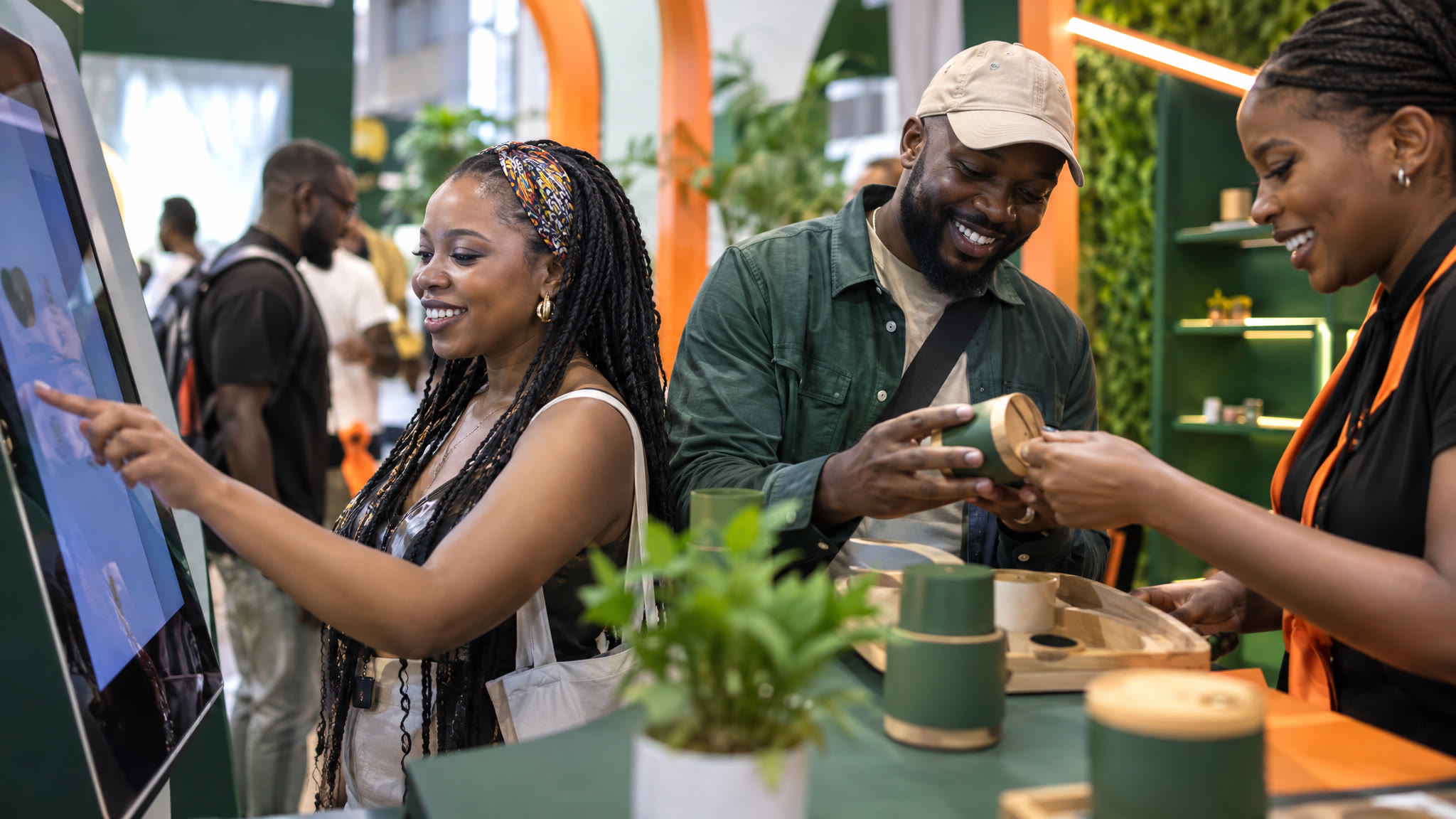
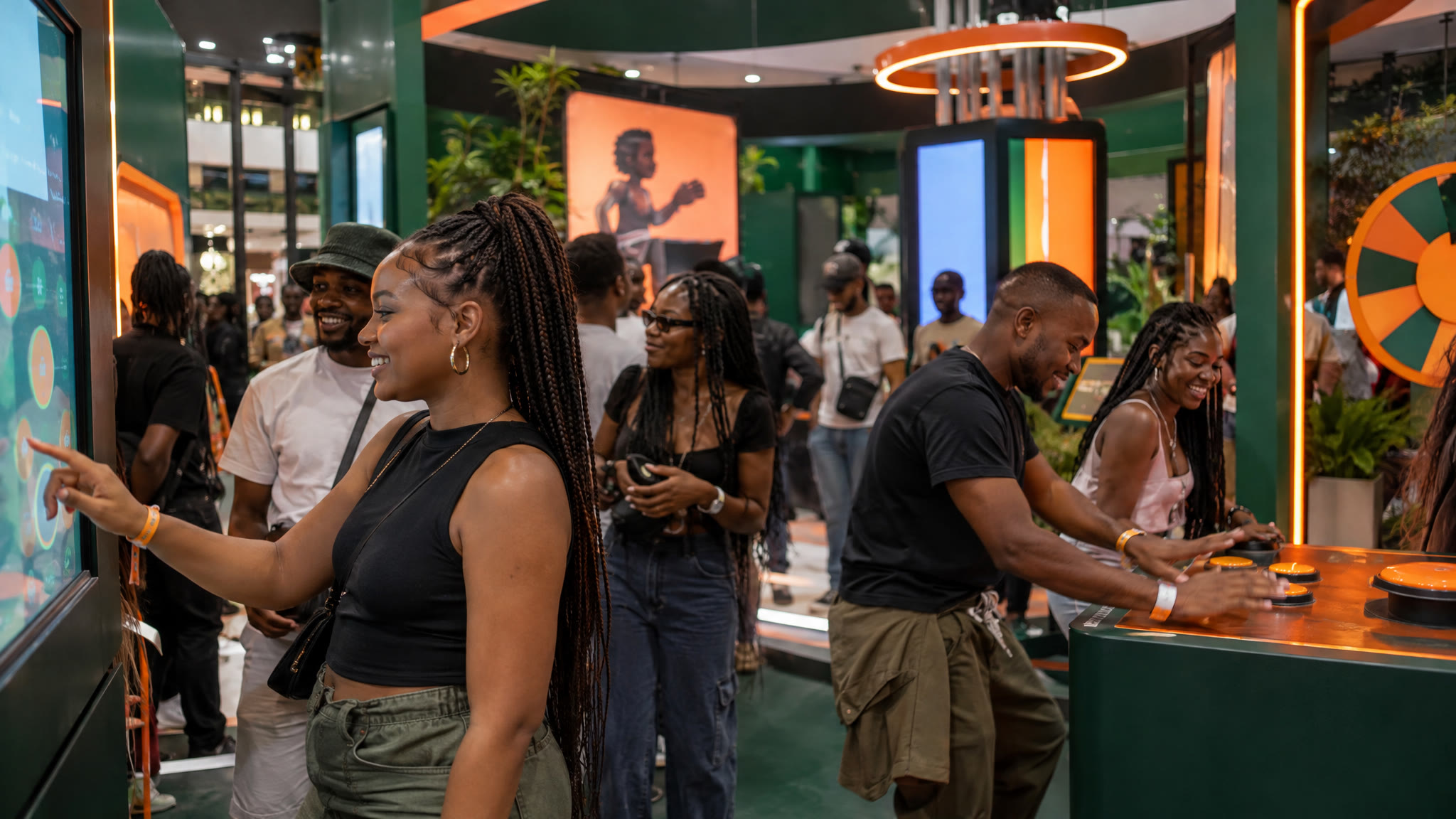
Experiential marketing is a brand creating a moment a person lives through, not one they watch. The person does something, feels something, and leaves with a memory the brand is attached to.
Where it sits
| Channel | The person is | What it buys |
|---|---|---|
| Above the line (TV, radio, billboards) | A viewer | Reach and awareness |
| Digital and social | A scroller | Targeting, data, frequency |
| Sampling | A taster | Trial |
| Experiential | A participant | Memory, emotion, advocacy |
Sampling is giving someone a beer. Experiential is the blind taste challenge where they discover they preferred it. Same product, different outcome: the second one they tell people about.
What it isn't
- A branded gazebo with a promoter handing out flyers. That's presence, not experience.
- An event. Events are the container; experiential is what happens inside it.
- Entertainment with a logo on it. If the brand could be swapped out and the moment stays the same, the brand wasn't in the experience.
Check
A promoter at a branded gazebo hands out flyers. Is that experiential?
What does experiential buy that sampling doesn't?
If you swap the brand and the moment stays the same, the activation was:
The science
Four things from psychology explain why a good activation outperforms its media budget.
Memory encodes by doing
Memory formed through action and emotion is stronger and lasts longer than memory formed by observation. A person who poured the drink, aimed the ball, or sang the line stores the brand with the action. That's why we design for hands, not eyes.
The peak-end rule
People judge an experience by its most intense moment and how it ended, not by its average. So every activation needs one designed peak (the reveal, the win, the photo) and a deliberate end (the prize handed over, the thank-you, the exit gift). A flat activation with a great ending beats a busy one that fizzles.
Sensory load
More senses engaged, more retrieval cues later. Sound, smell and touch are under-used and cheap. A taste challenge works on four senses; a photo wall on one. Budget senses the way you budget square metres.
Social proof
A queue is an advertisement. People join what other people are doing. Design the first ten minutes to create a visible crowd, even if that means seeding it with brand ambassadors.
What you can measure
| Metric | How | Good looks like |
|---|---|---|
| Footfall past the footprint | Counter or camera | Baseline |
| Participation rate | Participants ÷ footfall | 15–30% at a busy venue |
| Dwell time | Average minutes per participant | 3+ minutes |
| Data capture | Entries, opt-ins | 60%+ of participants |
| UGC | Posts with the hashtag or tag | 10%+ of participants |
| Recall | Exit survey, 48-hour follow-up | 70%+ unprompted brand recall |
| Sales lift | Outlet sales vs control period | Depends on category; report it either way |
Check
The peak-end rule says people judge an experience by:
Which engages more senses?
Participation rate is:
The art
Concept
One sentence. "Fans prove their loyalty by diving into a foam pit for a try." If it needs two sentences, it's two ideas. The brand's truth and the person's motivation meet in that sentence. Castle Double Malt is about rivalry; a rugby fan wants to prove something. The foam pit is where they meet.
Story
An activation has three beats: the invitation (why would I walk over?), the challenge (what do I do?), the payoff (what do I get, and what do I take home?). Most weak activations skip the first beat and wonder why nobody comes.
The moment
Every activation has one second the whole thing is built around. The blindfold coming off. The leaderboard flipping. The photo printing. Find that second, then design backwards from it: what has to be true thirty seconds before it, and what has to happen thirty seconds after.
Designing for the photo
If it doesn't photograph, it didn't happen. Check the backdrop, the lighting, the brand placement at phone height, and whether the person looks good doing it. A great mechanic that makes people look foolish won't get posted.
Check
A concept should be:
The three beats of an activation story are:
"Design for the photo" means:
Anatomy of an activation
| Part | Questions it answers | Common fail |
|---|---|---|
| Footprint | How many square metres, where, what's the sightline from the entrance, where does the queue go | Queue blocks the thing people are queuing for |
| Flow | Invite → brief → do → payoff → data → exit, with timings. How many people per hour? | No throughput maths; 200 people, 40 served |
| Staffing | Lead, mechanic operators, hosts at the invite point, data capture, a floater | Everyone runs the mechanic, nobody invites |
| Brand ambassadors | Briefed on the one-liner, the brand fact, the opt-in script, the don'ts | Promoters who say "come try our thing" |
| Data capture | What you ask, why they'd give it, POPIA consent wording, where it goes that night | Clipboard with 300 unreadable emails |
| Compliance | Liquor licence or permit, Public liability, gas CoC, electrical CoC, venue sign-off, responsible-drinking rules, age checks | Activation shut down at 14:00 by a venue manager |
| Prizing | What people win, in what tier, and whether it matches the audience | Branded cap for a Gen Z audience |
| Report | Who collects which number, when, and what the client sees Monday | Nobody counted anything |
Throughput maths
Minutes per participant × number of stations gives people per hour. A 3-minute mechanic with two stations serves 40 an hour. Over a 5-hour activation that's 200 people, no matter how big the crowd. If the client expects 600, you need six stations or a 1-minute mechanic.
Check
A 3-minute mechanic with two stations serves roughly how many per hour?
Who is the most under-staffed role at most activations?
POPIA consent belongs:
Case studies: B&W
Four from our own book. Results marked confirm are placeholders until Bibi signs off the figures.
Castle Double Malt · Rugby's Greatest Rivalry (2026)
Carling Black Label · Music Bus Taste Challenge (2026)
SAB Beyond Co. · Beyond Beer Gen Z Rebuild (2026)
AB InBev · Africa Supplier Summit (Sep 2026)
Check
In the Taste Challenge, the peak moment is:
Why did the Beyond Beer rebuild kill five ideas?
The Rugby's Greatest Rivalry kit was standardised so that:
Case studies: industry
Described, not reproduced. The lesson from each in one line.
Red Bull · Stratos (2012)
Coca-Cola · Share a Coke (2011 onward)
Nike · Breaking2 (2017)
KFC South Africa · Suitcase Delivery and Mobile Activations
Castle Lite · Unlocks
Check
Stratos shows that experiential:
Share a Coke worked because:
Castle Lite Unlocks is the peak-end rule because:
Measurement and the report
The report is the product the brand manager shows their boss. If it's weak, you don't get the next brief, however good the day was.
The post-event report template
- One page summary. The number that matters, the photo that matters, three bullets.
- Objectives vs results. The brief's KPIs in a table, target vs actual, with a one-line explanation of each gap.
- Reach and participation. Footfall, participants, participation rate, dwell time, by day and by venue.
- Data. Entries, opt-in rate, data quality (valid emails and numbers), where the data now lives, POPIA status.
- Content. UGC count, hashtag reach, best 20 photos, the highlights film link.
- Sales. Outlet sales vs control where the client shares it; otherwise, what you asked for and didn't get.
- Voice of the participant. Ten verbatim quotes from exit surveys.
- What we'd change. Three things, honestly. This is the section clients trust you for.
- Appendix. Run sheets, compliance folder, incident log (even if empty), supplier list.
Collecting it on the day
Assign one person. Give them a clicker, a tablet with the survey, and the brief's KPI list. They count at the invite point every 15 minutes, time ten participants per hour, and run the exit survey on one in five. Without this person there is no report, only a mood.
Check
The first page of the report is:
Who collects the numbers on the day?
The "what we'd change" section:
Pitching to a brand manager
A brand manager has a number to hit, a boss to satisfy, an agency to manage and a budget that's already allocated. Your pitch has to fit into that, not fight it.
The structure
- Their problem, in their words. "You need Gen Z trial in on-premise by January." If you can't say it in their words, you haven't listened.
- The concept, in one sentence. Lesson 3.
- The moment. Show the one second. A render, a photo from a test, a 15-second clip. Not a deck of furniture.
- The maths. Throughput, participation, data, cost per participant. Brand managers buy numbers.
- The proof. One case study with a result. Theirs if you have it, a competitor's if you don't.
- Risk and compliance. Liquor, safety, POPIA, weather, handled, in one slide. This is where experienced agencies win against cheaper ones.
- The ask. Budget, dates, decision needed by when.
Pricing a pitch
Quote per activation day with a management fee shown separately, so the client can see what the kit costs and what your thinking costs. Hiding the fee inside the kit looks like padding; showing it looks like a service.
Three things that lose pitches
- Leading with the kit. Nobody buys a gazebo.
- No number. "Engagement" is not a number.
- Pretending there's no risk. They've been burnt before and they're listening for it.
Check
A pitch should lead with:
The management fee should be:
Which wins against cheaper agencies?
Fifteen questions, 70% to pass
This certifies that
completed The Science and Art of Experiential Marketing with a score of 0% on .