Health & Safety Requirements for Outdoor Events in Gauteng
Hosting an outdoor event in Johannesburg or Pretoria? Here's what the law requires — from safety officers and risk assessments to fire extinguishers and crowd management.
Health and safety at events isn't optional — it's the law. The Occupational Health and Safety Act (OHSA) and the Safety at Sports and Recreational Events Act (SASREA) set clear requirements for event organisers in South Africa. Here's what you need to know.
When do you need a safety plan?
Technically, every event needs a safety consideration. But the legal requirements scale with size and risk:
Small events (under 50 guests)
Basic safety measures: fire extinguishers, first aid kit, clear emergency exits. A formal safety officer isn't legally required, but it's good practice.
Medium events (50–500 guests)
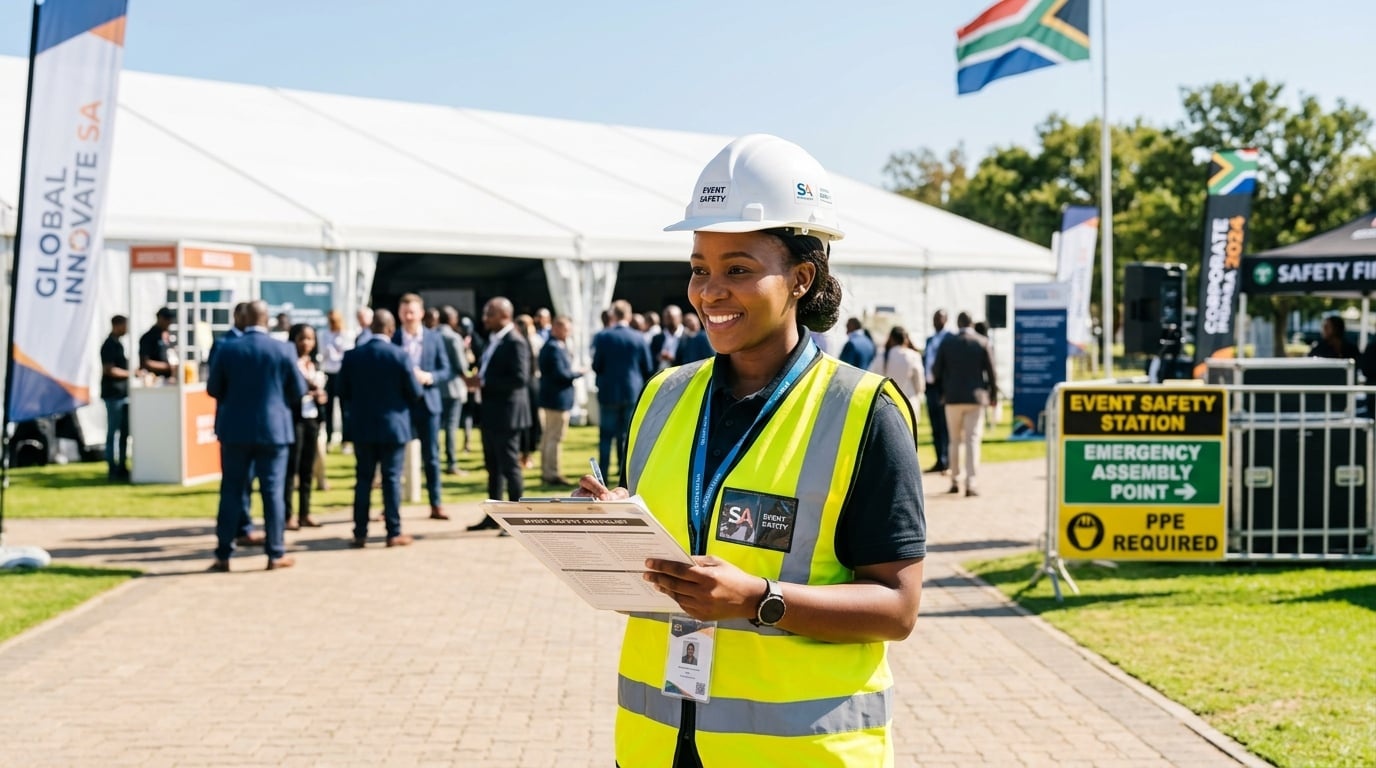
You need a documented risk assessment, a qualified safety officer on site, fire extinguishers at specified intervals, a first aid station, and an emergency evacuation plan.
Large events (500+ guests)
SASREA kicks in. You'll need a full safety management plan submitted to the local municipality, crowd management personnel, medical standby, and potentially SAPS and emergency services on site.
What does a safety officer do?
A qualified safety officer:
- Conducts a pre-event site inspection
- Prepares a written risk assessment
- Identifies hazards (electrical, structural, crowd-related, weather-related)
- Ensures compliance with OHSA and SASREA
- Monitors safety throughout the event
- Manages incident reporting
Our Safety & Compliance experience includes a qualified safety officer, a written risk assessment, on-site monitoring and all required documentation. It's one of the most undervalued items in our catalogue — and one of the most important.
Key requirements for outdoor events in Gauteng
Outdoor events carry specific risks that indoor venues naturally mitigate. Here's what to plan for:
Electrical safety
All temporary electrical installations must comply with SANS 10142. That means certified cabling, distribution boards, RCDs (residual current devices) and a certificate of compliance. Our Power & Facilities package covers all of this.
Structural safety
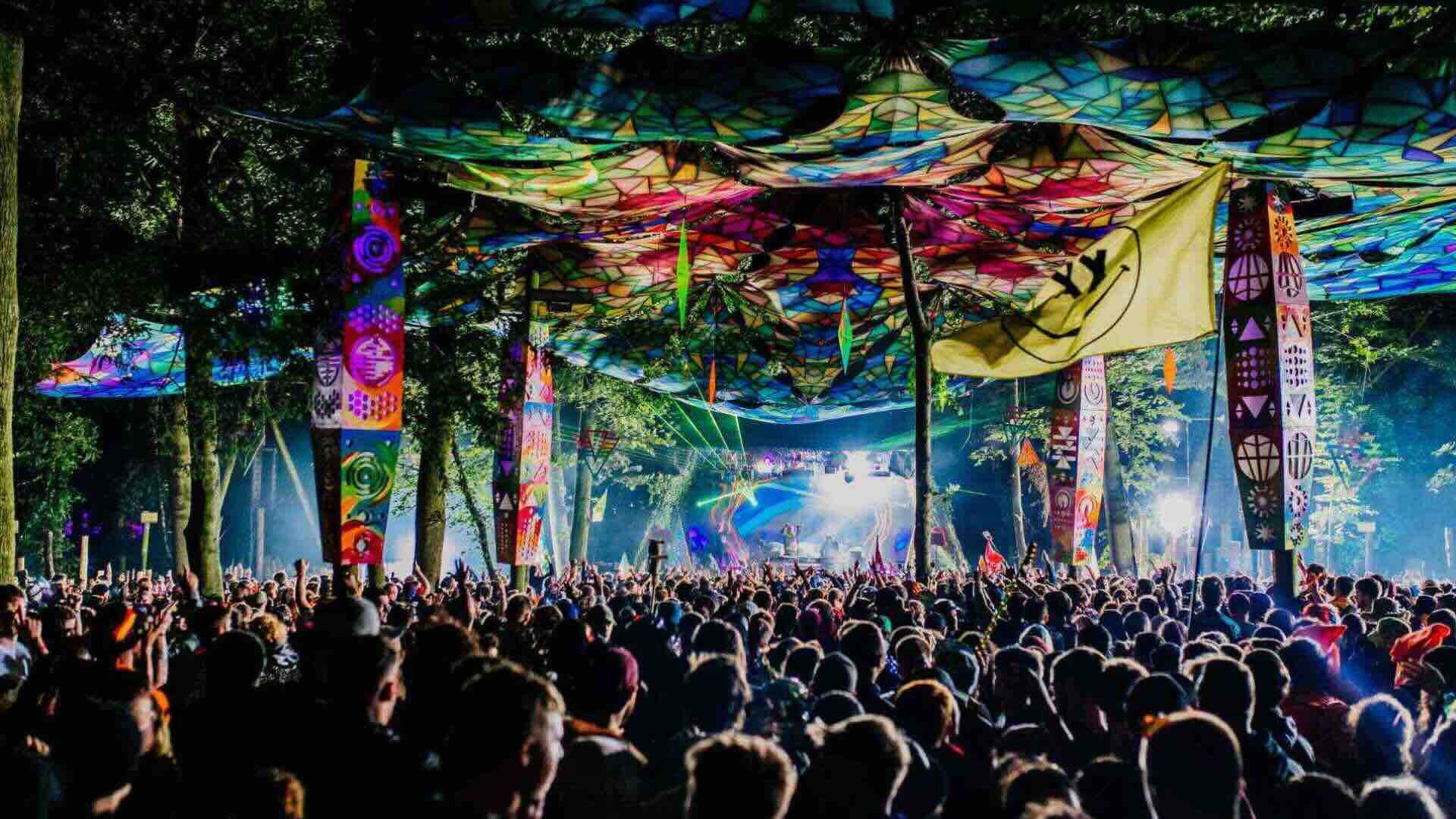
Marquees, stages, trusses and any temporary structures must be installed by qualified personnel and inspected before the event opens. Wind load calculations are essential for Gauteng — highveld thunderstorms can arrive with little warning.
Fire safety
Fire extinguishers must be positioned at intervals no greater than 25 metres. Cooking areas (food trucks, braai stations) need dedicated fire suppression. No open flames near structures or tented areas.
Crowd management
For events over 200 guests, you need a documented crowd management plan. This covers ingress and egress routes, assembly points, signage and steward deployment.
First aid
A stocked first aid kit is the minimum. For events over 100 guests, a qualified first aider should be on site. For 500+, you need a dedicated medical station with paramedic capability.
Common mistakes
Things we see go wrong:
- No risk assessment completed (or completed too late to act on findings)
- Extension leads daisy-chained without proper distribution
- No rain contingency plan for outdoor events
- Fire extinguishers not checked or not accessible
- No emergency evacuation briefing for event staff
Our approach
Safety isn't an afterthought in our builds. It's integrated from the start. When you use our Event Builder, you can toggle on our Health & Safety pack in the Customise step. It includes:
- Qualified safety officer
- Written risk assessment
- On-site monitoring for the duration of the event
- Incident reporting documentation
- Certificate of compliance for electrical installations
For more details, visit our Health & Safety hub or get in touch.